Now Forming · Founding Cohorts 2026–27

Everyone wants experience.
Almost nobody will give it to you.

We're a Southern California builder and operator that decided to stop complaining about the labor shortage and start fixing it. We train people, we hire them, and we write down everything they do — so the work counts, on paper, for the rest of their career.

Can't get to a classroom? We teach live on Zoom.

Veteran or transitioning service member? Start here.

Legacy Work Academy — Est. 2026 seal
You Can Start This Month

The first credential doesn't require a campus.

OSHA 10-Hour Construction, live on Zoom, open across California. Two days, a real trainer on camera, a real card, and a record that starts the day you enroll.

How live online works →

Why Now

The first rung disappeared.

For a long time the deal was simple. You took an entry job, you learned on somebody else's dime, and in a couple of years you had experience.

That job is the one artificial intelligence took first. Not the skilled work — the starter work. And employers responded the way employers do: they raised the bar. Postings that used to ask for two years now ask for five. A third of the people who have been out of work the longest are holding a bachelor's degree.

So there is a generation of people standing at a door that says experience required, with no way to get any.

We build the rung back.

Everything below is how.

81,000
electrician openings in the U.S. every year through 2034 — U.S. Bureau of Labor Statistics
4.4% → 12%
share of America's electricity going to data centers, 2023 to 2028. All of it has to be built and wired — U.S. Dept. of Energy
92%
of construction firms report trouble finding qualified workers — AGC of America, 2025
The Other Half of the Story

Meanwhile, nobody can find anyone to do the actual work.

The same technology that took the entry-level office job is creating a shortage in the trades that build and power it. Somebody has to run the conduit. Somebody has to staff the kitchen.

Add the Southern California hospitality economy — hotels, restaurants, venues, and a run of events through 2028 that nobody has enough staff for — and you get a region with more work than workers, and no clear road from one to the other.

That road is what we build.

Built Into the Training

You'll be trained on the tools, not warned about them.

Every young person entering the workforce right now is hearing the same two things: artificial intelligence is coming for your job, and nobody will tell you what to actually do about it.

Our position is simple. It isn't going away, we're not going to pretend otherwise, and pretending is what will actually cost people work. So we don't teach it as a subject. We built it into the training.

It's already on the jobsite and already in the kitchen — estimating, scheduling, code lookup, submittals, daily reports, inventory, ordering. You'll learn it the same hour you learn the trade it belongs to, from a journeyman standing next to you explaining why the answer on the screen is wrong.

Traditional skills and the tools that run them now, taught together. Not a separate class, and not a sales pitch.

Get to know it. Start using it. Or get behind.

That's the honest version, and it's the same thing every foreman we know says about it. The difference is that we'll teach you, instead of expecting you to figure it out on a jobsite while somebody watches.

A model can draft the submittal. It can't sign the permit.

The person who can direct the machine, check its work, and put their name on the result is the person who keeps getting promoted. That's the skill we're actually teaching — and it's the one the machine can't do for you.
The Real Gap

A lot of people already have the skill. What they don't have is the proof.

Southern California is full of people who have framed houses, run wire, and cooked on a line for years — and have nothing to show for it. Paid in cash. No pay stub, no W-2, no record.

It isn't a small problem. Under California law, four years of verifiable journey-level experience is what gets you a contractor's license. Cash years count for zero. Not because the work wasn't real, but because nobody wrote it down. The same missing paperwork blocks an apartment application, a truck loan, a Social Security credit, and every promotion above foreman.

What separates our graduate from someone with six years of cash work isn't skill. It's that we can prove it.

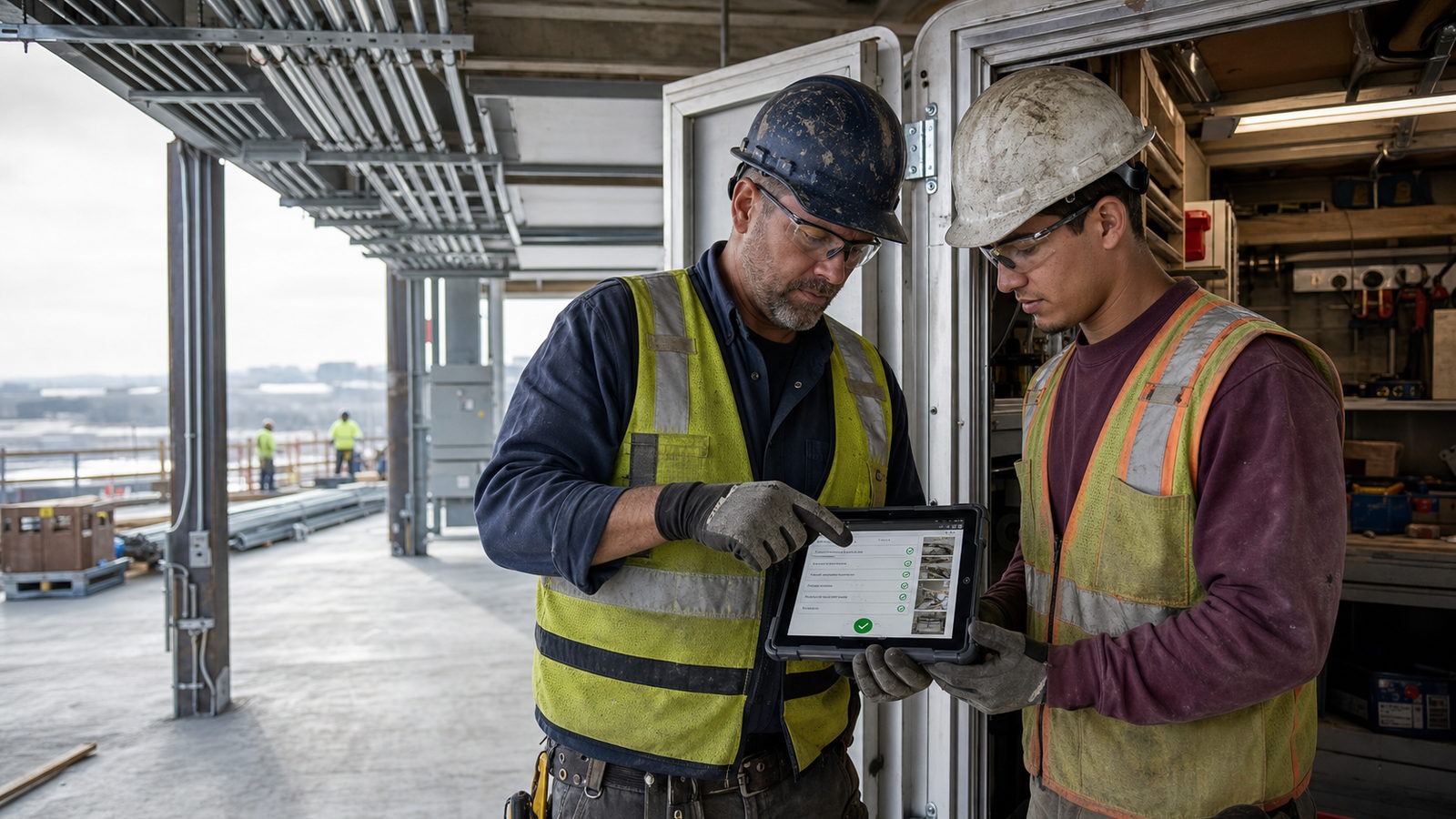
Every hour logged. Every task signed off by a journey-level supervisor. Every credential earned and dated. On the books, in your name, and yours to take anywhere. No paper, no binders, no lost sign-in sheets — if you did the work, it's documented.

A journey-level supervisor reviewing completed task sign-offs with a trainee on a tablet at a jobsite
Sign-off on completed work, captured as it happens — not reconstructed from memory later.
What We Actually Are

We're not a school that trains you and wishes you luck.

Most training programs finish the class and then go looking for someone to hire you. We're the employer. We were building before we were teaching, and our network — general contractors, subcontractors, restaurant groups, hotels, caterers, equipment dealers — was in place before the first cohort.

Placement isn't the hard part for us

It's the part we already had. Our trades network and our operator relationships are decades old. When we say a graduate has somewhere to go, we mean a specific employer with a specific opening.

And we only place you somewhere legitimate

W-2 payroll or documented compliance. Workers' comp. A real pay stub. Employers who want our graduates meet that standard first — the pipeline is the leverage, and we use it.

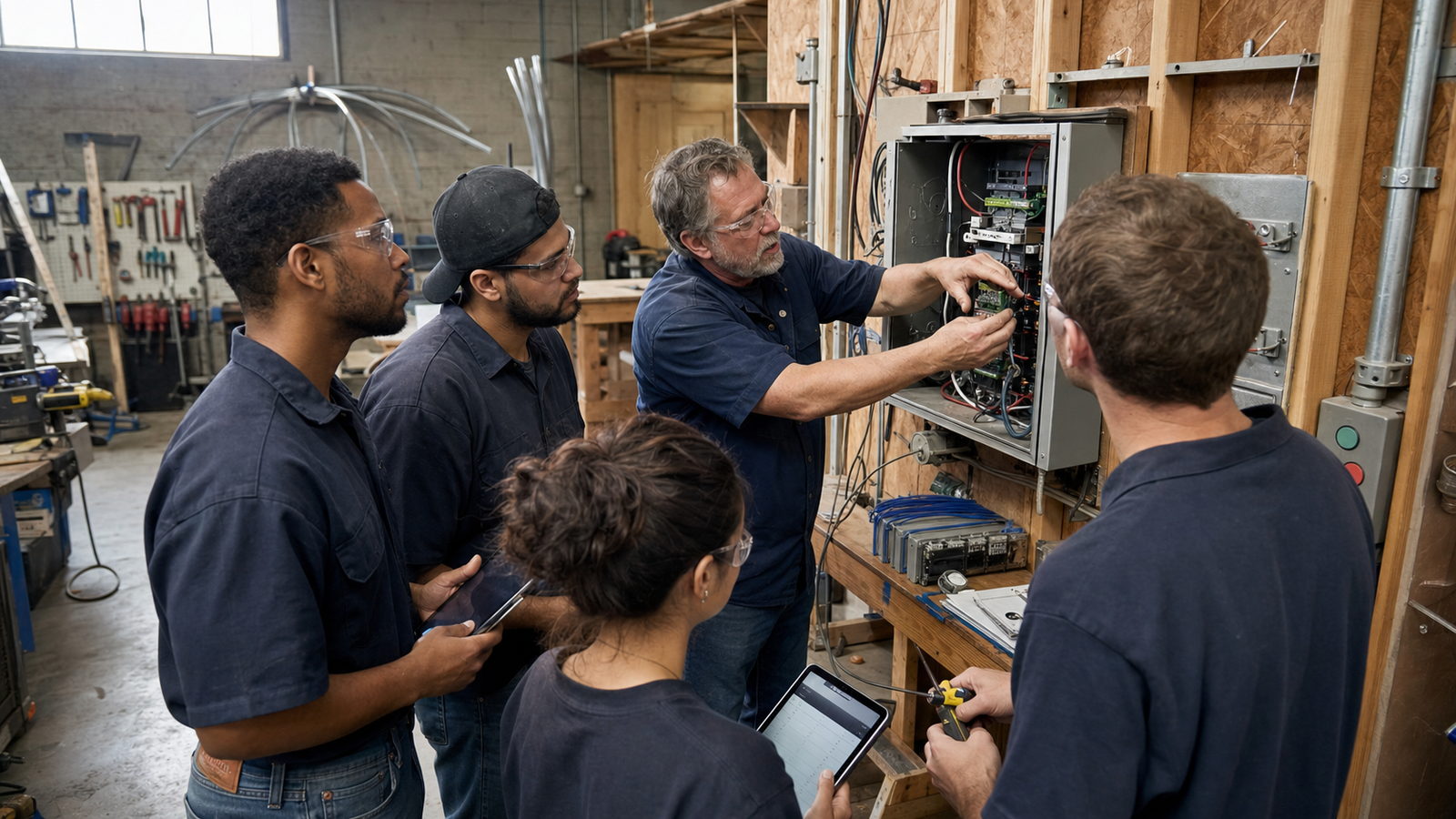
An instructor demonstrating panel wiring to trainees in the shop
Taught by people who ran the work before they taught it
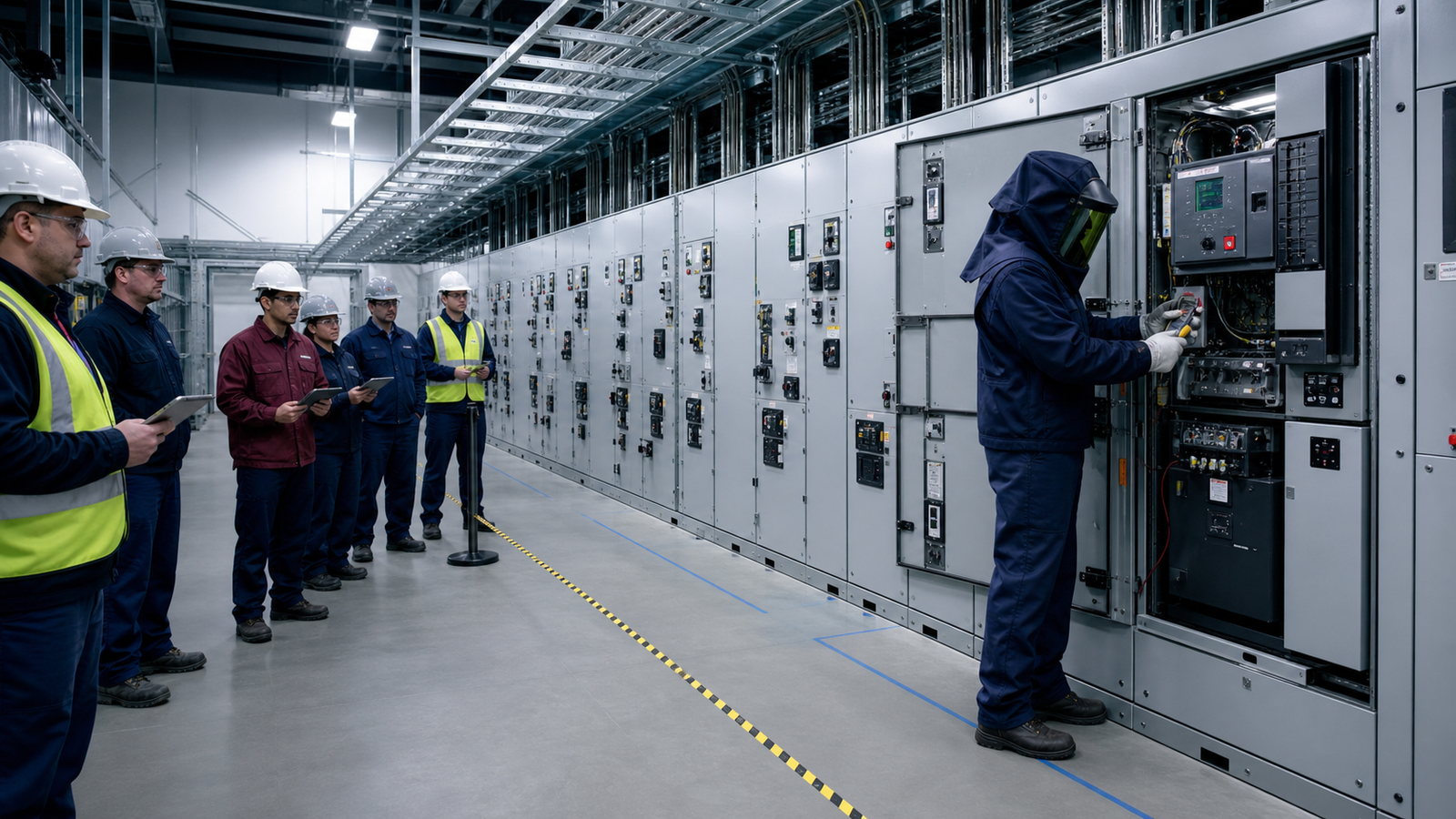
Trainees observing an electrician in arc-flash protection working a switchgear lineup
The power work behind the data center buildout
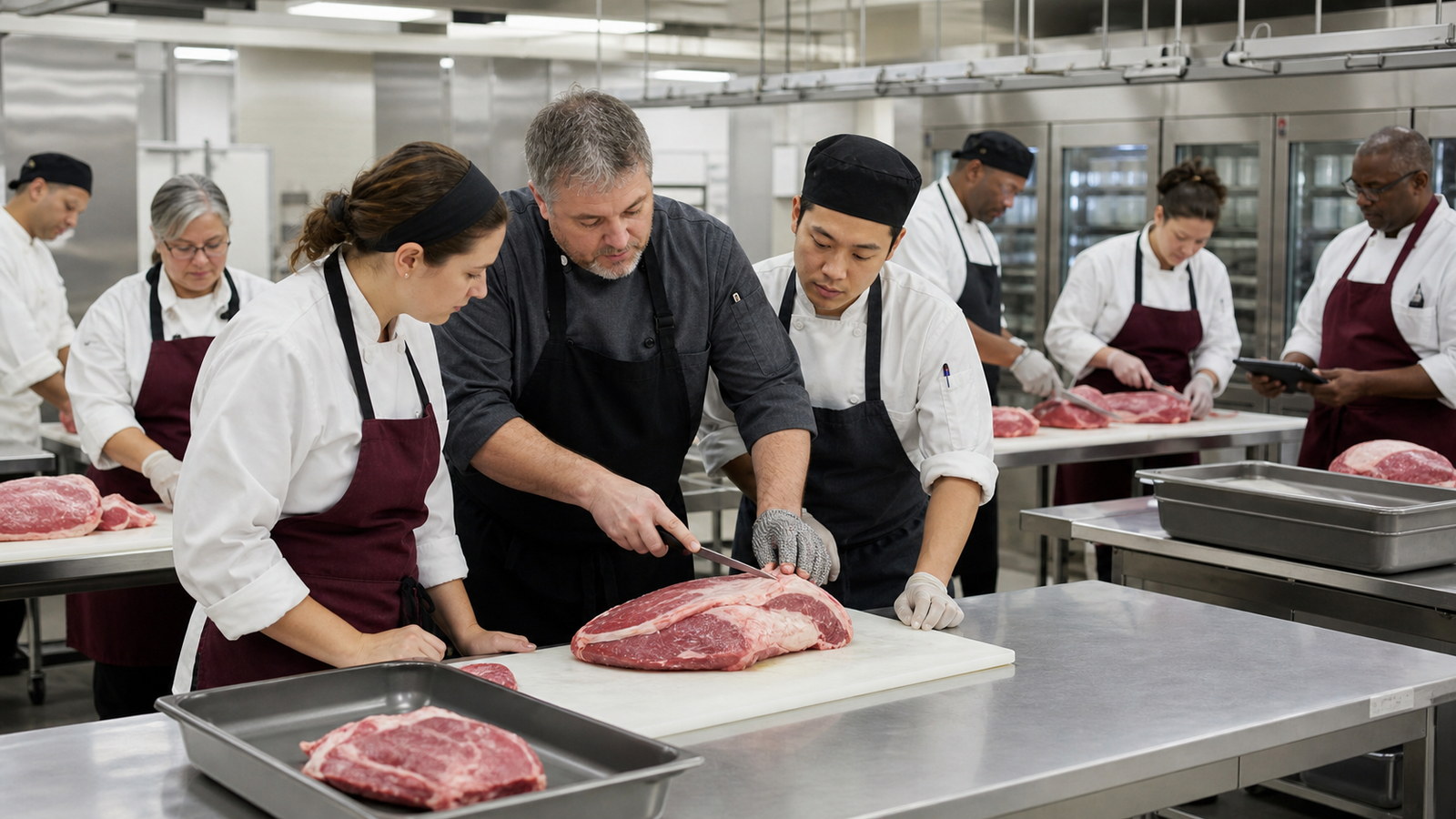
A chef instructor demonstrating butchery technique to culinary trainees
Craft instruction in a working production kitchen
Skills for Today. Careers for Life.

You don't graduate from this.

Your Food Handler card expires in three years. Your RBS in three. CPR in two. Your license renews every two. The equipment changes, the software changes, the codes change — and the person who stops learning at 26 is the person who's stuck at 40.

So we're not building a twelve-week course. We're building a relationship that lasts as long as your career.

Where You Come In

Three ways to be part of this.

Train

Train with us

New to the trades, or already working and ready for the credential that gets you promoted. Construction, energy, and hospitality tracks — taught with the software and devices the work actually runs on. Some of it starts online, live, from wherever you are.

See the programs →

Teach

Teach with us

If you've spent years running crews or running a kitchen — and especially if the military already made you an instructor — we need you more than we need almost anything else.

Instructor pathways →

Partner

Partner with us

Employers who need trained people. Nonprofits and workforce boards who need a program that actually places. Sponsors who want their equipment in front of the next generation.

For partners →

Founding cohorts are forming now.

Tell us where you fit and we'll get back to you personally. No obligation, no cost to inquire.

Get in touch